Managing an aging commercial building comes with a unique set of challenges. Utility costs rise, equipment becomes less reliable, and tenant expectations continue to increase. For many property managers, improving energy efficiency becomes less about optional upgrades and more about protecting long-term building performance.
The good news is that modern HVAC and plumbing improvements can make a significant impact without always requiring a complete system replacement. Strategic upgrades can help reduce operating costs, improve occupant comfort, and extend the life of existing infrastructure.
When evaluating energy-efficient improvements for an older building, it is important to focus on upgrades that provide both immediate and long-term value.
Start With the Building’s Biggest Energy Users
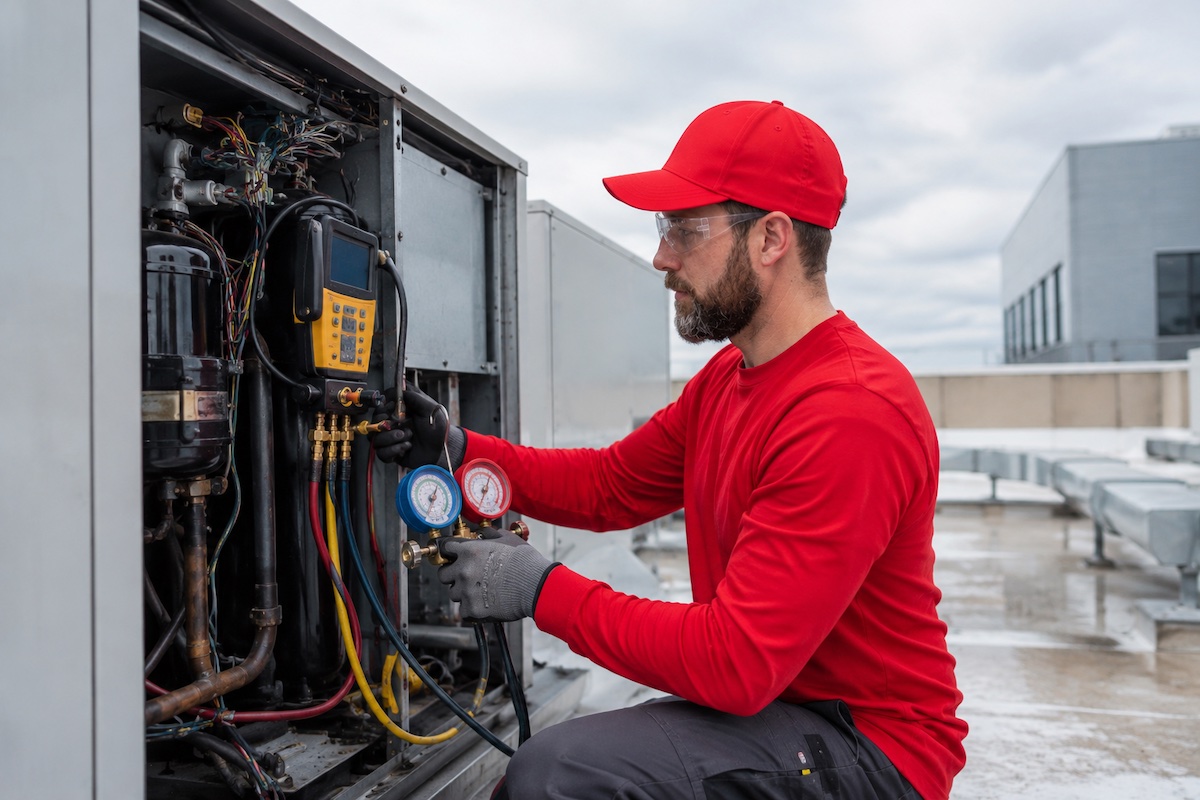
In most commercial facilities, HVAC systems account for a large portion of overall energy consumption. Older boilers, rooftop units, pumps, and ventilation systems often work much harder than necessary to maintain indoor conditions.
As equipment ages, efficiency naturally declines. Components wear out, controls become outdated, and systems may continue operating at full capacity even when demand is low.
Identifying the largest sources of energy use is often the first step in prioritizing meaningful upgrades.
Upgrade Outdated HVAC Controls
One of the most practical energy-saving improvements for older commercial buildings is upgrading HVAC controls.
Many aging facilities still rely on outdated thermostats or limited scheduling systems. Modern building automation systems provide much greater control over how and when equipment operates.
Updated controls can help:
- Reduce unnecessary heating and cooling
- Adjust temperatures based on occupancy
- Improve temperature consistency throughout the building
- Monitor system performance in real time
- Identify operational issues earlier
Even buildings with relatively old mechanical equipment can often achieve noticeable efficiency improvements through better controls alone.
Evaluate Aging Boilers and Rooftop Units
Older heating and cooling equipment may still function, but that does not necessarily mean it is operating efficiently.
Commercial boilers and rooftop units that are nearing the end of their service life typically:
- Consume more energy
- Require more frequent repairs
- Struggle to maintain consistent comfort levels
- Operate less reliably during peak demand periods
Replacing aging equipment with high-efficiency systems can improve both performance and operational stability while lowering long-term utility costs.
For many property managers, phased replacement plans are often more manageable than waiting for emergency equipment failures.
Read more: Rooftop HVAC Unit Maintenance: What Ottawa Building Managers Often Overlook
Consider Variable Frequency Drives (VFDs)
Many older commercial buildings use pumps and fans that run continuously at full speed, even when full output is not required.
Variable frequency drives allow motors to adjust speed based on actual building demand. This reduces unnecessary energy consumption while improving system performance.
Benefits often include:
- Lower electrical usage
- Reduced strain on equipment
- Improved airflow and temperature control
- Extended equipment lifespan
VFDs are commonly used in larger buildings where HVAC systems operate continuously throughout the day.
Improve Ventilation Efficiency
Ventilation plays an important role in both energy performance and occupant comfort.
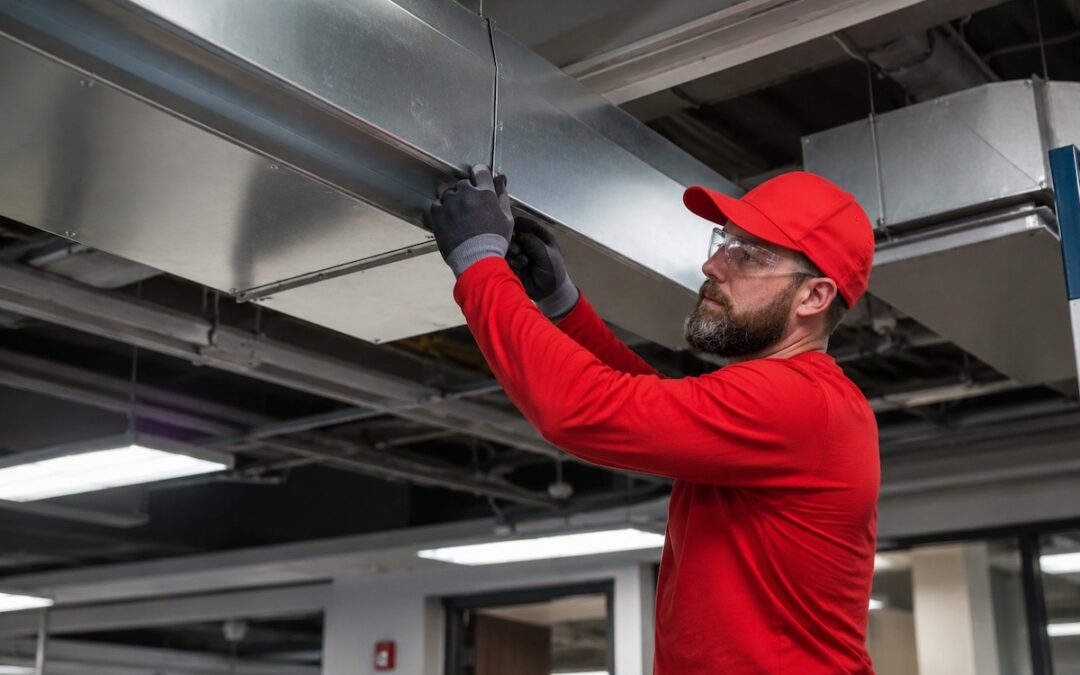
Older ventilation systems may bring in excessive outside air, operate inefficiently, or struggle to maintain balanced airflow throughout the building.
Upgrading ventilation systems can help:
- Improve indoor air quality
- Reduce humidity issues
- Create more stable indoor temperatures
- Lower heating and cooling demand
For office buildings, institutional facilities, and multi-tenant properties, ventilation improvements can also contribute to a better overall occupant experience.
Read more: How HVAC Services Can Improve Indoor Air Quality in Commercial Buildings
Look for Plumbing-Related Energy Savings
Energy efficiency is not limited to heating and cooling systems. Commercial plumbing infrastructure can also create opportunities for operational savings.
Older plumbing systems may waste energy through:
- Inefficient domestic hot water systems
- Poorly insulated piping
- Undetected leaks
- Outdated fixtures with excessive water consumption
Upgrades such as high-efficiency water heaters, low-flow fixtures, and improved recirculation systems can help reduce both water and energy usage across the building.
Plan Around Occupancy and Operations
In occupied commercial buildings, upgrade planning is just as important as the upgrades themselves.
Property managers often need to balance:
- Tenant comfort
- Building access
- Noise considerations
- Seasonal demand
- Business operating hours
Phasing projects strategically can help minimize disruptions while allowing improvements to move forward in manageable stages.
For larger facilities, long-term capital planning can also help prioritize which systems should be addressed first based on age, performance, and operating costs.
Focus on Long-Term Performance, Not Just Immediate Savings
While energy savings are often the primary motivation for upgrades, the long-term operational benefits can be equally valuable.
Efficient building systems can help:
- Reduce emergency repairs
- Improve equipment reliability
- Stabilize maintenance costs
- Extend asset lifespan
- Improve occupant comfort
- Support long-term property value
For aging commercial buildings, even incremental improvements can create meaningful operational advantages over time.
Understand That Every Building Is Different
No two commercial buildings operate exactly the same way. Factors such as occupancy patterns, building age, infrastructure condition, and facility type all influence which upgrades will deliver the greatest value.
A warehouse, office building, healthcare facility, and multi-unit residential property will each have different operational demands and efficiency priorities.
Because of this, energy-efficient upgrade planning is often most effective when approached as part of a broader building performance strategy rather than as isolated equipment replacements.
Supporting the Future of Aging Commercial Facilities
As utility costs continue to rise and building systems age, energy-efficient upgrades are becoming an increasingly important part of commercial property management.
Modern HVAC and plumbing improvements can help aging buildings operate more efficiently, reduce operational strain, and create more comfortable environments for occupants and tenants.
Whether improvements are completed in phases or as part of a larger modernization plan, focusing on energy efficiency today can help support better building performance for years to come.